发布时间: 12/30/2025
Greetings, unrivaled warriors! Welcome to the season recap of the Unrivaled Fighting Tournament. This recap is a collaborative effort from multiple departments and development teams, where we'll review the season's successes, failures, and everything in between. The article is lengthy, and the content you'll read comes from the following authors:
Michael "TheDjinn" Sloan: Season lead for the Unrivaled Fighting Tournament. He started playing TFT during the双城之战 season and became a season designer since the Monster Attack! season.
Tim "Truexy" Jiang: Late-stage online coordination designer and lead of the Unrivaled Fighting Tournament online team.
Giovanni Scarpati: Lead designer for character position updates. Rumored to be a huge Thresh fan.
Tori Ero: Gameplay art director. Her work covers everything from Little Legends to logos.
Isaac Wood: Art lead for the Unrivaled Fighting Tournament. Recently discovered Christina and Tim both have the last name Jiang but doesn't believe they have any special connection.
Christina "xtna" Jiang: Event product lead since the first G恭喜发财 event.
First, a bit of background. We've written many recap articles, and during this time, some recurring issues (like bugs) have been mentioned again. This doesn't mean we haven't learned our lessons—we know these issues still exist, but we want to let you know we're still working on solving them, or explain why they keep appearing. In fact, making a game isn't easy; instead of avoiding these issues, we'd rather keep discussing the most troubling areas openly with everyone. Additionally, there are some new content worth mentioning. Alright, let's look at the outline:
- Enhanced Fruits: This season mechanic was well-received for its dynamism and fun when launched, giving champions an anime protagonist feel. But as the season evolved, we found the complexity, information overload, and unstable options posed new challenges to tuning clarity, dominance, and flexibility.
- Flexibility: The Unrivaled Fighting Tournament's flexibility didn't meet our season standards. Although later versions tried to improve it, it still didn't meet many competitive players' expectations. Looking ahead to the next season, we'll pay extra attention to the playability of synergies at lower tiers, broaden gameplay options, and ensure champions are much more flexible than now.
- Sharp & Meaningful Design: Reflection on Artifacts: The balance challenges from artifacts aren't new—their strength makes some artifacts must-pick for certain champions, and without them, those champions are unplayable. In the future, we'll reduce the strength gap between champions with and without their preferred artifacts.
- Bugs, Ambition, Content, and Lessons Learned: We created a huge amount of ambitious new content through an unprecedented number of combinations. However, the 'tuition fees' of innovation plus time constraints led to more bugs.
- Lulu: A Case Study in Complexity: This section tells the story of the Little Monster Trainer, an ambitious but imperfect experiment that taught us key lessons about design goals and complexity management.
- Prismatic Synergy Review: We tried a new task-based activation method for prismatic synergies—while not a full success, we'll retain this for select壮观 moments next season.
- Character Position Update Review: This low-key but impactful update opened up more design space for champions and improved gameplay clarity.
- Anime Tournament Style: The season's anime theme received positive feedback, with the top 4 ceremony and cel-shading style being standout elements.
- Ao Shin Peak: Our first official PvE progression mode was a success, and we learned valuable insights for future similar modes.
Enhanced Fruits
This season mechanic aimed to give your favorite champions anime-style enhancements that could change during matches. Early player feedback was positive—Enhanced Fruits scored higher than双城之战 2's Anomaly Mutations but lower than the permanent Enhanced Runes from双城之战 1. Players loved the personalized touch, especially partner enhancements like Drift Duo.
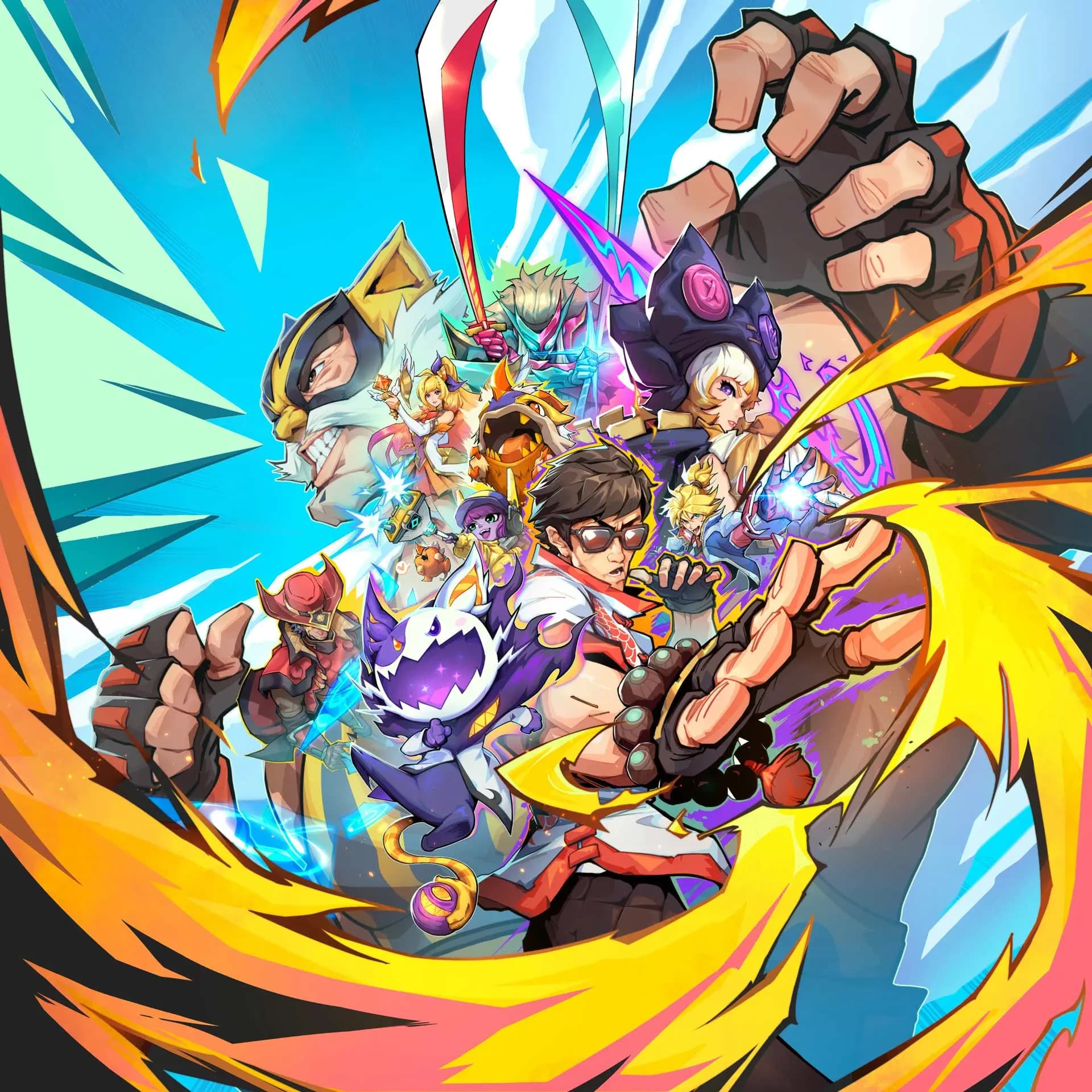
However, as the season progressed, we noticed issues with complexity and balance. The combination of over 100 enhancements and 60+ champions created too many variables, leading to some overpowered or useless combinations. We should have removed problematic options faster, like Gangplank's Extended Arm or Karma's Super Genius. Another issue was the frustration of failing to get desired enhancements—we need to clarify our positioning between free selection and fixed options in future mechanics.
Lucian was a standout example of Enhanced Fruits done right—he had multiple distinct playstyles from enhancements like Pursuit (dash-focused) or Magician (double casts). But simpler, lock-in options like 'Gather Energy' Jinx reduced overall flexibility.
Flexibility
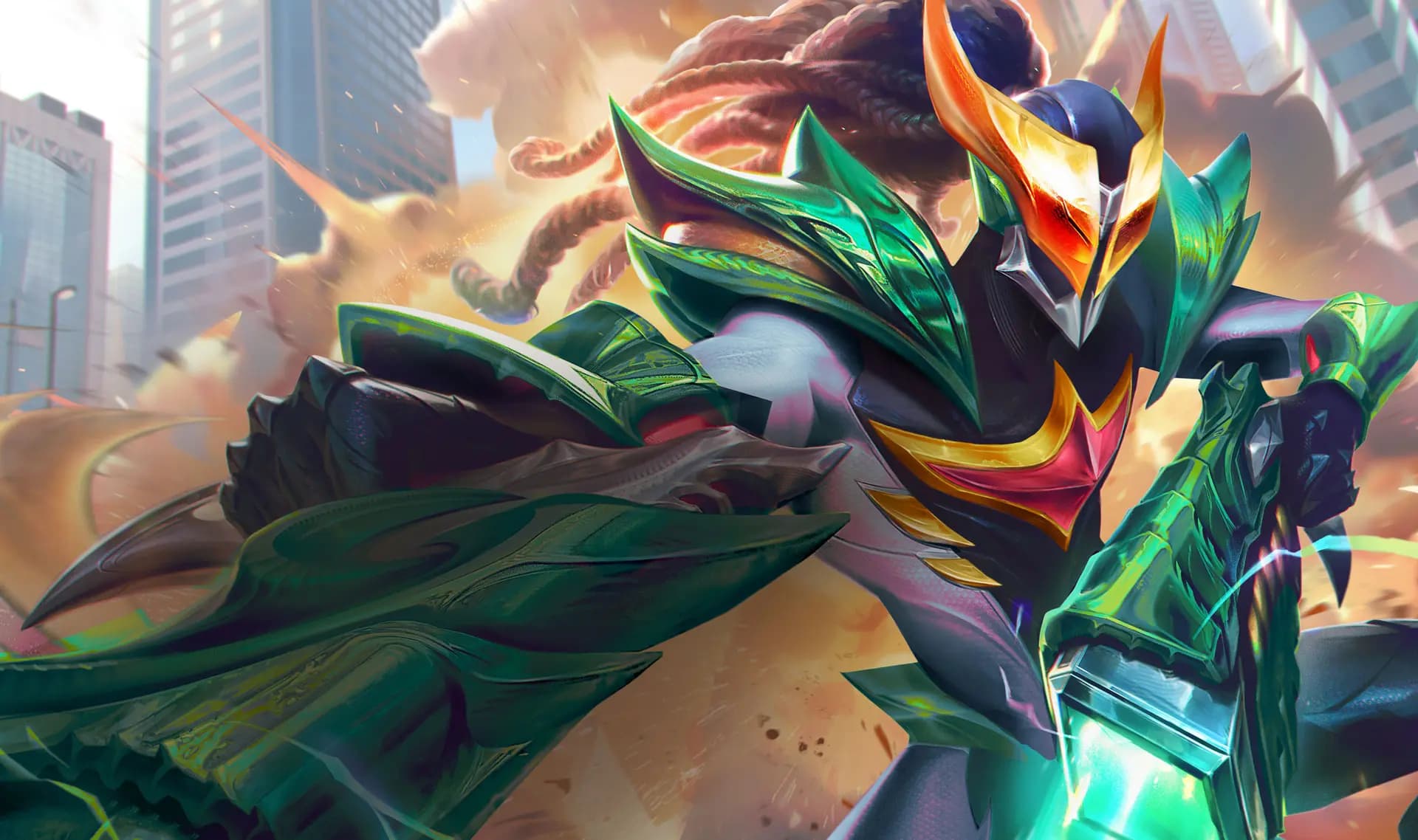
Flexibility refers to building around shop refreshes, early items, and Enhanced Runes. This season's rigidity came from synergies that required strict comp commitments (like Yuumi's 5 Genius/Battle Academy need) and early-game locks from artifacts or enhancements. Next season, we'll prioritize lower-tier synergy playability and ensure champions are effective without continuous investment.
Sharp & Meaningful Design: Reflection on Artifacts
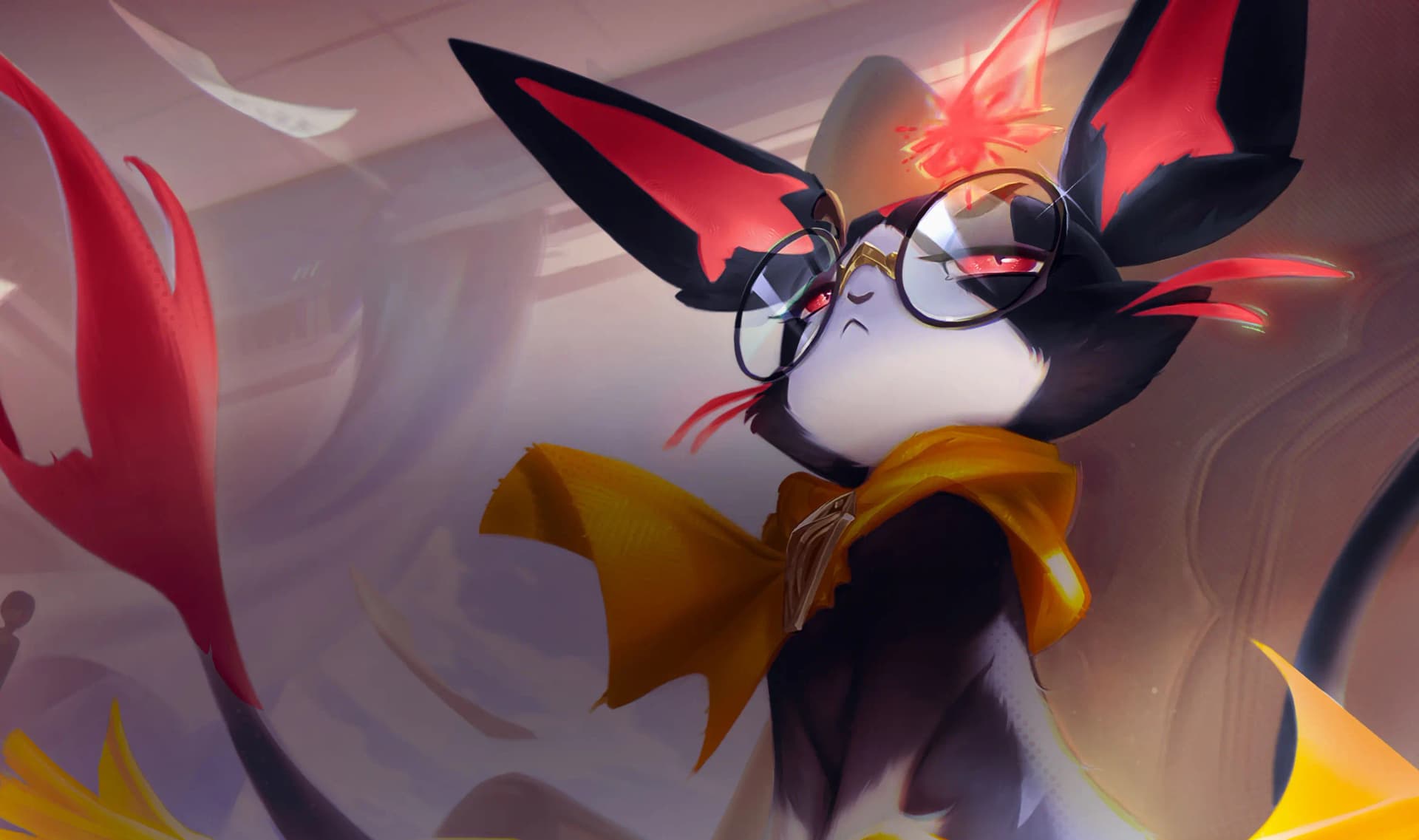
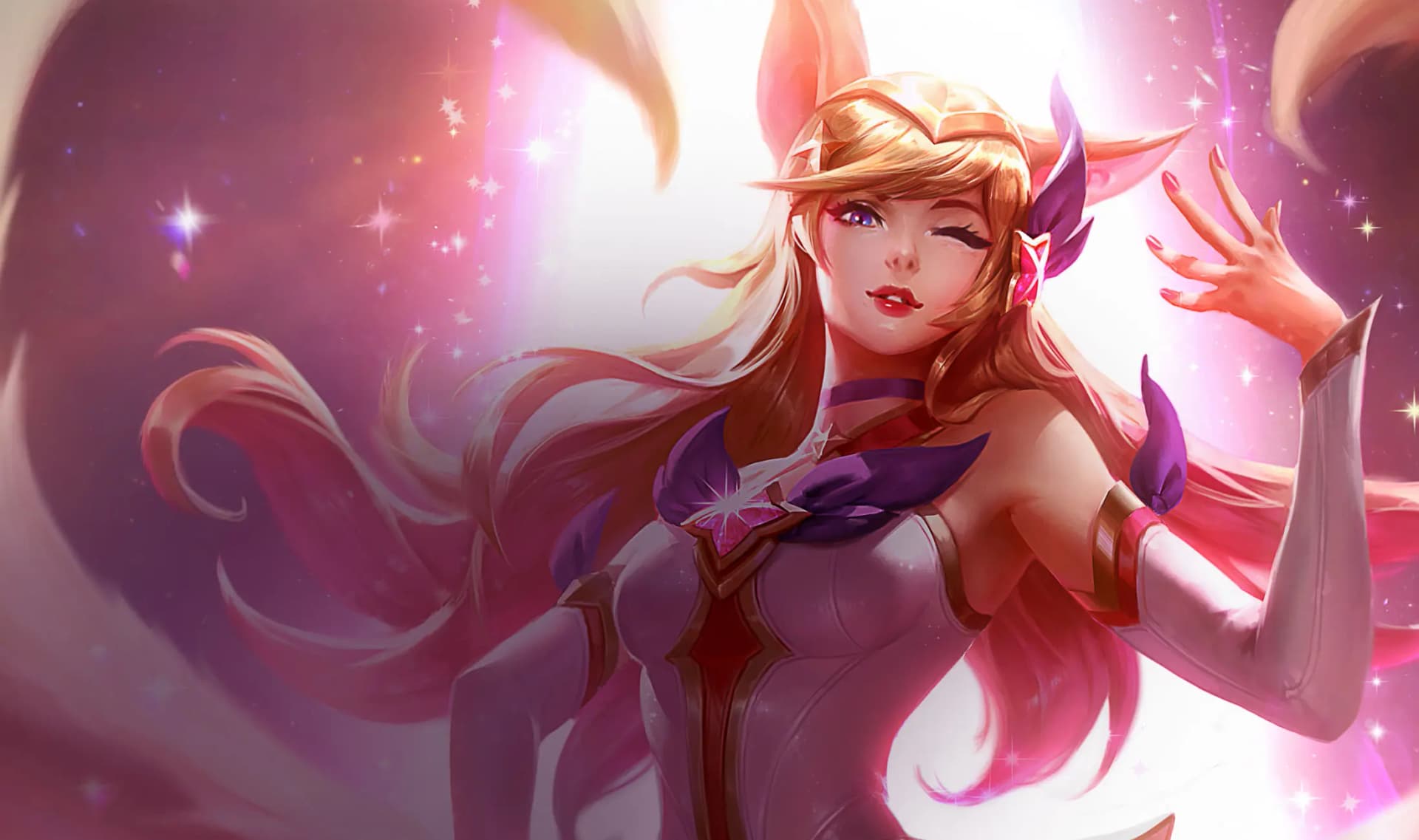
Artifacts like Luden's Tempest (Ahri) created must-pick scenarios that broke balance. We've adjusted our philosophy to prioritize base champion strength over artifact combinations, aiming to narrow the power gap between equipped and unequipped states.
Bugs, Ambition, Content, and Lessons Learned
This season's ambitious content led to more bugs due to compressed late-stage testing time. Next season will have extended late-stage coordination, a new testing team, and better support structures to improve stability.
Lulu: A Case Study in Complexity
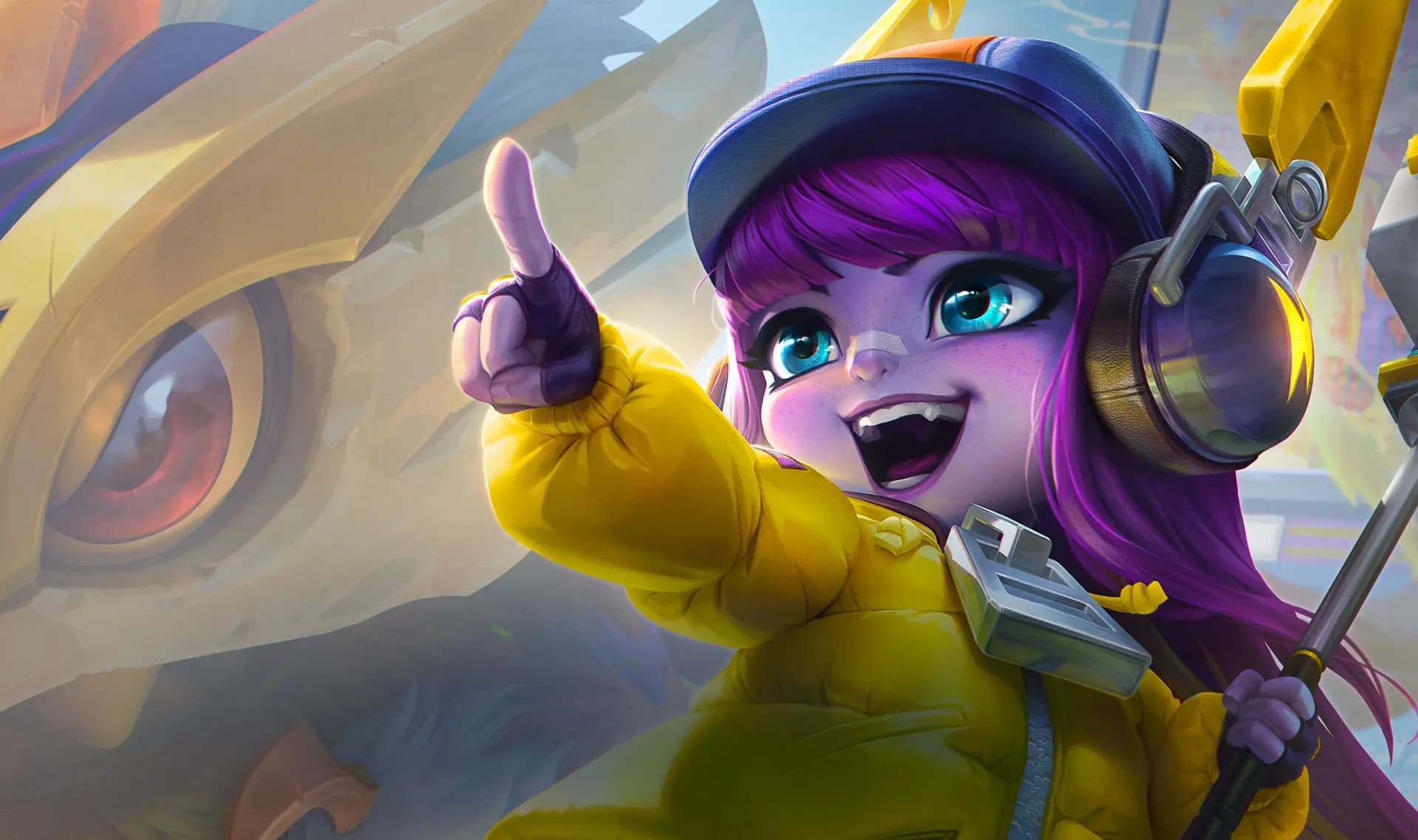
The Little Monster Trainer synergy had an exciting fantasy but suffered from conflicting design goals (functionality vs. upgrades) and major bugs (like the shared draft issue). We had to remove its upgrade mechanism and exclusive card packs to fix these problems—this taught us the importance of clear design positioning and player experience focus.
Character Position Update Review
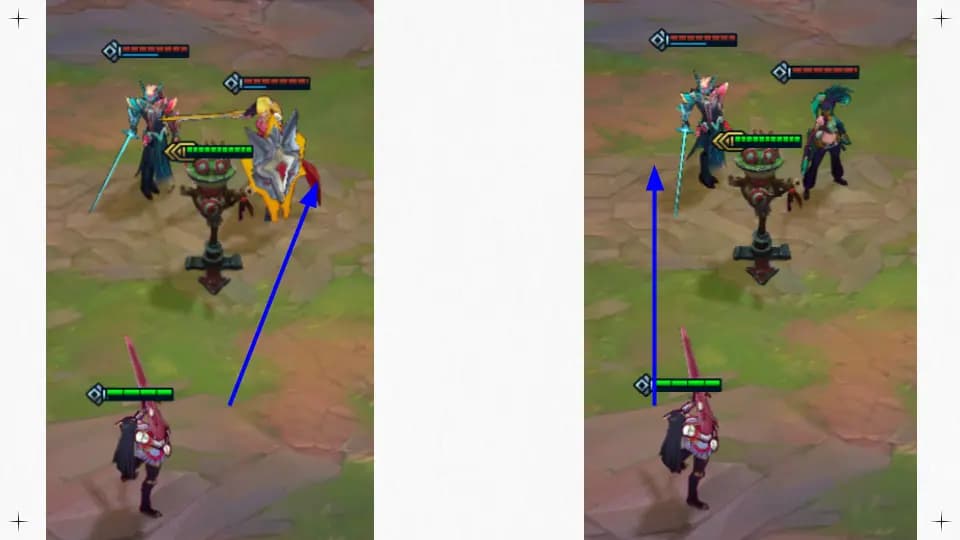
This update introduced mana regen as a core attribute (replacing attack speed for casters) and tank aggro (50% target priority). These changes improved gameplay clarity and opened up new design space—vampire tanks are gone, and melee champions now belong in the first row!
Anime Tournament Style
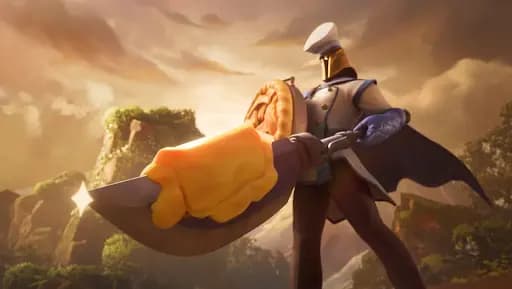
Our first unified anime style for all champions required new rendering and outline techniques. The Super Team synergy's mech designs and top 4 ceremony were fan favorites. We'll reuse this style approach for future theme-driven seasons.
Ao Shin Peak
This PvE mode saw peak playtime matching the Sound Clash return. Zoe was the most popular Star Power (despite being less strong than Teemo), and many players reached the Star Master reward. We don't have plans for a sequel yet but will share updates when ready.
Thank you for reading this recap! Your feedback is crucial to making TFT better. We'll continue to improve in the next season and beyond—see you in Runeterra!